You want a driveway or patio that looks great and lasts for years. This article shows how block paving in Wakefield can give your property better curb appeal, strong performance, and options that suit your budget and style.
You will learn practical choices and real benefits so you can decide if block paving with a local specialist like Groundforce is right for your home.
Expect clear guidance on workmanship, long-term value, and sustainable practices that help you choose a solution that fits your needs.
1) Groundforce Drives & Patios Limited
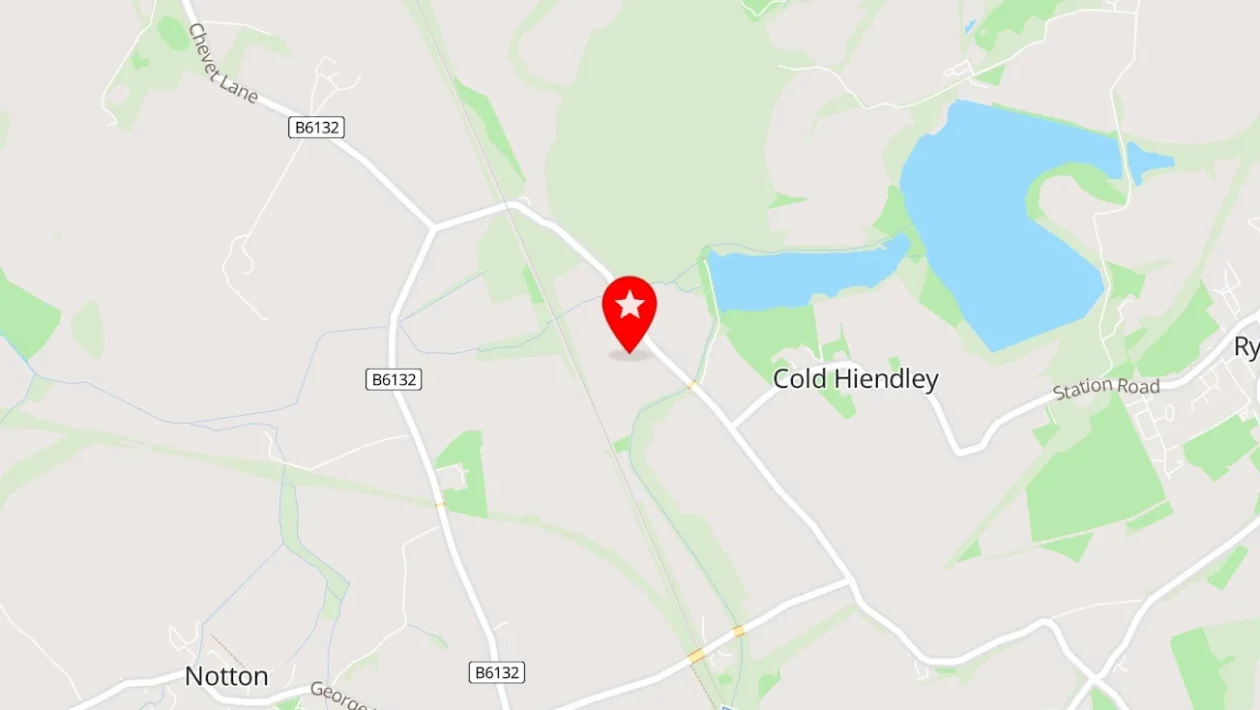
You’ll find Groundforce tucked into a busy workshop area in Wakefield. When I visited, the team greeted me and showed clear pride in their block paving work; the yard had neat samples and finished driveways ready to view.
The crew talked through their process from planning to completion. They stressed customer satisfaction and offered hands-on guidance at every step, which made the job feel personal and professional.
Their workmanship looked tidy and durable on site. You could see they focus on clean lines, solid edges, and attention to drainage details that matter for long-term performance.
They offer free quotes and seemed willing to work with different budgets. If you want a local company that stays involved from start to finish, this one is worth contacting.
Rating: 5 (27 reviews)
Location: Groundforce Drives & Patios Limited
Website: Visit Website
Key Benefits of Modern Block Paving
Block paving gives you a long-lasting surface, simple upkeep, and many design choices. You get resilience against frost and traffic, easy spot repairs, and a wide range of colours and patterns to match your home.
Durability and Weather Resistance
Block paving uses concrete or clay units laid on a compacted base and sand, which gives strong load-bearing capacity for cars and pedestrians. Properly installed blocks resist rutting and fading; they cope with repeated vehicle weight without cracking like plain concrete can.
Freeze-thaw cycles in Wakefield can damage weak surfaces, but block joints filled with aggregate allow water to drain and expand without breaking the paving. You still need edge restraints and good substrate preparation to prevent movement over time.
If a small area does get damaged by oil or impact, you can lift and replace individual blocks rather than redoing the whole surface. That targeted repair saves money and keeps the driveway functional while you fix the issue.
Low Maintenance Requirements
Routine maintenance for block paving is simple and quick. Sweep or use a leaf blower to remove debris and prevent weeds, and rinse with a hose or pressure wash on a low setting to clear surface dirt and moss.
Apply a joint stabilising compound every few years if joints start to wash out; this reduces weed growth and improves load transfer between blocks. For oil stains, use a degreaser and a stiff brush—small stains rarely require replacing blocks.
Sealing is optional. You can seal to enhance colour and reduce weed growth, but sealing does not replace proper base construction. If you choose not to seal, expect standard cleaning and occasional joint topping to keep the surface looking good.
Design Versatility
Block paving offers many colours, sizes, and laying patterns that let you match your house style and kerb appeal goals. Use stretcher bond for a simple look, herringbone for high load areas like driveways, or basketweave for patios and paths.
You can combine contrasting colours to create borders, drives, or parking bays. Add features such as inset channels for drainage, decorative bands around trees, or steps and low walls built from matching blocks to create a coherent outdoor space.
If you plan to install lighting or drainage, blocks allow easy integration. You can lift a run of blocks to access pipes or cables and then relay them without visible seams, which keeps your yard tidy and functional.
Sustainable Practices in Paving Solutions
You can choose materials and installation methods that cut runoff, lower maintenance, and reduce waste. The right choices help the local environment and keep your driveway or patio working well for years.
Eco-Friendly Materials
Select pavers made from recycled concrete, reclaimed brick, or permeable resin-bound aggregates to reduce raw material use. Recycled concrete blends match strength requirements for driveways while keeping demolition waste out of landfill. Reclaimed brick gives a traditional look and lowers embodied carbon compared with new fired clay.
Ask about locally sourced stone or blocks to cut transport emissions. Also consider blocks with certified low-VOC sealants if you plan to seal the surface. For edging and base layers, use crushed stone or recycled aggregate instead of newly quarried material. These choices keep material quality high while cutting environmental impact.
Water Drainage and Permeability
Prioritise permeable block paving or properly designed jointing systems to let rain soak into the ground. Permeable pavers with open joints or resin-bound surfaces on a permeable sub-base reduce surface water run-off and lower flood risk near your property.
Make sure the installer designs a sub-base with clean stone and a suitable fall toward soakaways or drainage channels. Regular maintenance of joints and sweep-outs prevents clogging and keeps permeability effective. You can also include linear drains or interceptors where needed to protect drains from silt and oil.